Contents:
- What Is 4C Hair: The Definition
- The Coil Pattern and Why It Matters
- Tight Coil Structure
- Shrinkage: The Hidden Length
- The Natural Hair Movement and 4C Classification in the UK
- Key Characteristics of 4C Hair
- 4C Hair Care: Core Principles
- Moisture Is Everything
- Gentle Detangling
- Protective Styling
- Common Mistakes to Avoid With 4C Hair
- Sustainability and 4C Hair Care
- FAQs: What Is 4C Hair?
- The Path Forward With 4C Hair
You’ve searched for styling tutorials for your hair type and felt frustrated. The solutions didn’t work. Products recommended for “your hair type” didn’t deliver. You might have wondered: am I actually understanding my hair correctly?
4C hair is a tightly coiled, densely textured hair type. Understanding what defines 4C hair is essential because the needs, challenges, and styling techniques for this texture are distinctly different from other hair types. Confusion about classification often leads to using inappropriate products and techniques.
What Is 4C Hair: The Definition
4C hair falls on the far end of the curly-coily spectrum. The “4” refers to the coil pattern, while the “C” indicates the coil tightness. 4C hair has a coil diameter smaller than a pencil—typically around 1–2 mm or narrower. The coils are tightly packed, creating dense texture with minimal space between strands.
A single strand of 4C hair, when straightened, can be 3–4 times longer than it appears when coiled. This is called “shrinkage.” A person with 4C hair styled in coils might appear to have 2 inches of length, but when straightened, the same hair measures 6–8 inches. This distinction matters for understanding growth, styling, and length goals.
4C hair density is another defining characteristic. The number of hair strands per square centimetre is typically higher in 4C hair than in straight or loosely curled hair types. This high density creates visually voluminous styles even with shorter lengths.
The Coil Pattern and Why It Matters
Tight Coil Structure
The coil pattern in 4C hair creates mechanical friction between each strand. This friction provides natural grip that makes styling easier in some ways (coils naturally hold shape), but creates challenges in others (detangling requires patience and proper technique). The tight coil also affects how moisture moves through the hair.
In straight hair, moisture travels quickly down the hair shaft. In 4C hair, moisture travels more slowly due to the coil structure. This is why 4C hair feels drier: water reaches the tips more slowly, and the coils trap less moisture than straighter patterns. The dryness isn’t a flaw—it’s structural.
Shrinkage: The Hidden Length
4C hair shrinks dramatically when wet. Shrinkage of 40–70% is common. A length that appears to be 3 inches in coils might shrink to 1 inch when wet, then return to 3 inches when dry. Understanding shrinkage prevents frustration when measuring growth or assessing length goals. It also means protective styling must account for hidden length that emerges when the hair is wet.
The Natural Hair Movement and 4C Classification in the UK
4C hair classification became standardized after André Walker’s 1997 hair typing system. In the UK, where diverse hair textures are common, understanding 4C hair is particularly relevant. London, Birmingham, and Manchester have vibrant natural hair communities with specific product recommendations, stylists specializing in textured hair, and cultural emphasis on celebrating natural texture rather than chemically straightening.
In some regions (particularly the South), chemical relaxing remains common. In others (London and university cities), natural 4C hair styling is mainstream. Regional differences affect product availability and styling knowledge, so seeking UK-based 4C resources and communities is more valuable than international tutorials that may assume different climate, humidity, or product access.
Key Characteristics of 4C Hair
- Coil diameter: Smaller than 2 mm, often pencil-lead or thinner
- Coil pattern: Tight, densely packed, and consistent throughout
- Density: High—visually voluminous even at shorter lengths
- Texture: Rough or wiry feeling due to the coil structure
- Moisture retention: Lower than other hair types due to coil structure blocking moisture
- Shrinkage: 40–70% when wet
- Fragility: Sensitive to manipulation; requires gentle handling during styling and detangling
- Definition: Natural curl pattern is visible and holds shape well without product
4C Hair Care: Core Principles
Moisture Is Everything
Because 4C hair’s structure resists moisture retention, hydration is the foundation of 4C care. Dry 4C hair becomes brittle and breaks easily. Moisturised 4C hair is soft, defined, and resilient. Daily or every-other-day moisturising (using water-based products, not oils alone) is standard for healthy 4C hair.
A basic moisturising routine costs £15–£25 monthly: a moisturising shampoo (£4–£6), leave-in conditioner (£5–£9), and hydrating cream or butter (£6–£10).
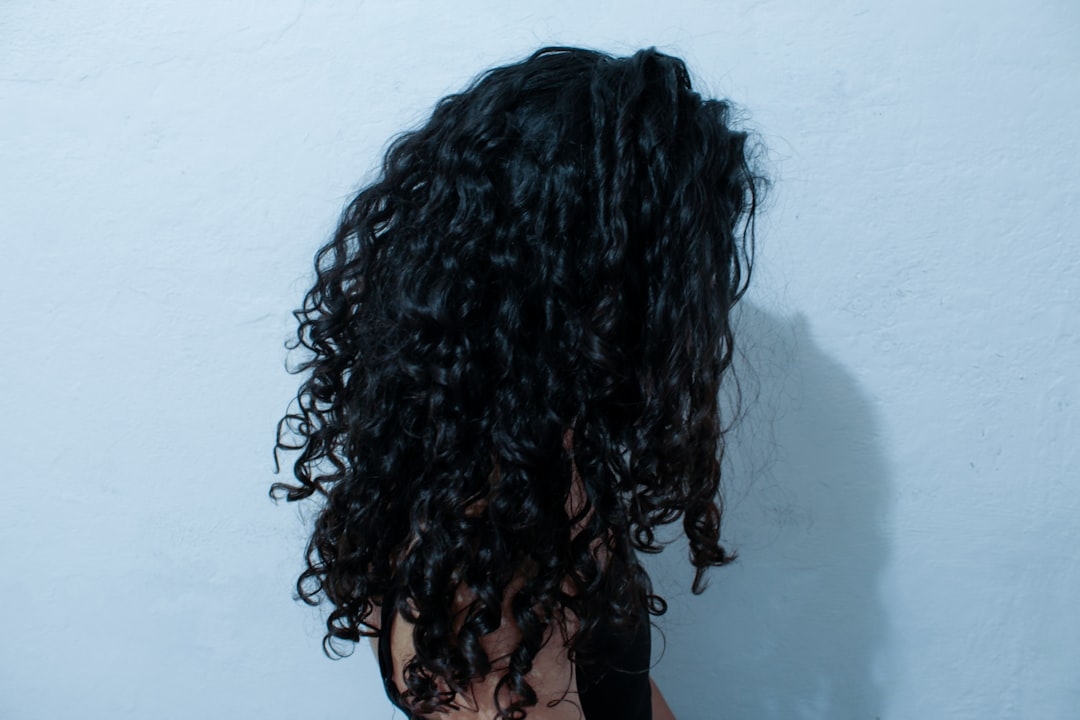
Gentle Detangling
Detangling 4C hair requires patience and the right technique. Use a wide-tooth comb or detangling brush on damp (not dry, not soaking wet) hair with plenty of conditioner. Work in small sections. Never force tangles—work from the ends upward. Rough handling causes breakage.
Detangling takes 30–60 minutes for shoulder-length 4C hair. Many people set aside one day weekly for thorough detangling rather than struggling daily.
Protective Styling
Protective styles—braids, twists, buns, or locs—reduce manipulation and breakage. Wearing protective styles 2–3 weeks at a time allows the hair to rest from daily styling while maintaining length and health. Popular protective styles for 4C hair include box braids, crochet braids, two-strand twists, and faux locs.
Common Mistakes to Avoid With 4C Hair
- Using only oils without water-based moisturising: Oil seals the hair but doesn’t hydrate. Use water-based leave-in conditioner first, then seal with oil.
- Detangling dry hair: Dry 4C hair breaks easily. Always detangle on damp hair with conditioner.
- Manipulating hair too frequently: Constant styling causes breakage. Limit styling to 2–3 times weekly.
- Using harsh shampoos: Clarifying shampoos strip 4C hair. Use gentle or co-wash (conditioner wash) most of the time, clarifying once monthly maximum.
- Expecting immediate length: With 40–70% shrinkage, patience is essential. Growth takes time to become visible. Track progress in photos monthly rather than daily measurement.
- Ignoring the scalp: Protective styles can trap sweat and product buildup. Cleanse the scalp every 1–2 weeks even when wearing protective styles.
Sustainability and 4C Hair Care
Natural 4C hair care aligns with sustainability principles. Avoiding chemical relaxers eliminates harsh chemical waste and scalp damage. Using water-based, plant-derived products (shea butter, coconut oil, aloe vera) rather than silicone-heavy commercial products reduces environmental impact.
Protective styling extends the time between wash days, reducing water usage and product consumption. A person wearing box braids for three weeks uses significantly less water and fewer products than someone styling daily. Many 4C practitioners intentionally adopt sustainable practices as part of natural hair care.
FAQs: What Is 4C Hair?
Q: Is 4C hair the same as coily hair?
A: 4C is one type of coily hair, but not all coily hair is 4C. The typing system includes 3A (loose curls) through 4C (tight coils). 4C is specifically tightly coiled, with coils smaller than 2 mm in diameter.
Q: Can 4C hair be straightened permanently?
A: Chemical relaxers straighten 4C hair permanently until new growth emerges. However, relaxers damage hair and scalp health. Many people in 2026 choose to keep hair natural, using heat-free straightening methods temporarily when desired.
Q: How fast does 4C hair grow?
A: 4C hair grows at roughly the same rate as other hair types: 4–6 inches annually. However, shrinkage makes growth less visible. A person with 4C hair might grow 6 inches yearly but only see visible length increase of 2–3 inches due to how much the coils shrink.
Q: What products are best for 4C hair?
A: Water-based leave-in conditioners, moisturising creams, and gentle shampoos. Avoid silicone-heavy products and drying alcohol-based products. Look for ingredients like shea butter, glycerin, and natural oils. UK brands like SheaMoisture, Carol’s Daughter, and Cantu formulate specifically for 4C texture.
Q: Is 4C hair considered healthy if it’s dry?
A: Dryness is structural in 4C hair, not necessarily unhealthy. However, properly moisturised 4C hair should feel soft and defined. If your hair feels straw-like or breaks easily, it needs more hydration. Dry 4C hair and dehydrated 4C hair are different things.
The Path Forward With 4C Hair
Understanding that you have 4C hair is the foundation for making informed decisions about care, styling, and growth. This texture has unique characteristics—tight coils, high shrinkage, moisture challenges—that require specific approaches. Generic hair care advice doesn’t apply. UK-based communities, 4C-specific resources, and practitioners who specialise in textured hair provide the most relevant guidance.
Your 4C hair has inherent beauty and resilience. The key is working with its structure rather than against it. Moisturise consistently, detangle gently, style protectively, and patience will reward you with healthy, growing hair that reflects your natural texture.