Contents:
- How Your Scalp Produces Sebum: The Biology Behind Greasiness
- Primary Causes of Excessive Hair Greasiness
- Hormonal Fluctuations and Life Stages
- Overwashing and the Rebound Effect
- Shampoo Formulation and Product Choices
- Diet and Nutritional Deficiencies
- Genetic Predisposition
- Environmental and Lifestyle Factors
- Climate and Seasonal Patterns
- Stress and Cortisol Release
- Sleep Deprivation and Circadian Disruption
- Common Mistakes to Avoid
- Practical Strategies for Reducing Hair Greasiness
- Reformulating Your Washing Routine
- Dry Shampoo and Texture-Building Techniques
- Dietary Adjustments
- Stress Management and Sleep Optimisation
- Scalp Care Treatments
- What to Expect During Adjustment: A Timeline
- Frequently Asked Questions
- Can I use conditioner if my hair is greasy?
- Does dandruff cause greasy hair?
- Will my hair eventually become less greasy without intervention?
- Can greasy hair indicate a scalp condition requiring medical treatment?
- Are expensive salon treatments more effective than home care?
- Moving Forward With Balanced Hair
Approximately 40% of adults report struggling with excessively oily hair at some point in their lives, yet the underlying mechanisms remain mysterious to most people. Your scalp contains between 100,000 and 150,000 hair follicles, each equipped with a sebaceous gland that produces sebum—a protective oil crucial for hair and scalp health. When these glands shift into overdrive, however, that same protection becomes a problem.
Understanding why your hair becomes greasy requires looking beyond simple washing routines. The answer involves biology, chemistry, and your daily habits working in concert. This guide explores the genuine reasons behind excessive hair oiliness and provides evidence-based strategies to restore balance without stripping your scalp of essential protection.
How Your Scalp Produces Sebum: The Biology Behind Greasiness
Sebaceous glands are tiny factories embedded in your skin, with each hair follicle housing its own unit. These glands produce sebum, a waxy substance composed primarily of triglycerides, wax esters, squalene, and cholesterol. This composition serves a purpose: sebum waterproofs your hair, protects against bacterial growth, and maintains the scalp’s pH balance.
The problem emerges when glands overproduce. Your body regulates sebum production through hormones—primarily androgens like testosterone and DHT (dihydrotestosterone). These hormones directly stimulate sebaceous glands to increase output. A single sebaceous gland can produce between 0.5 and 1.5 milligrams of sebum daily under normal circumstances, but this figure escalates substantially when hormonal signals intensify.
Temperature also influences production rates. Research from dermatological studies shows that scalp temperature variations of just 3-5 degrees Celsius can trigger measurable changes in sebum secretion. This explains why your hair often feels greasier during warmer months or after physical activity that elevates body temperature.
Primary Causes of Excessive Hair Greasiness
Hormonal Fluctuations and Life Stages
Hormones represent the single most influential factor in sebum production. Puberty marks the first major trigger, when androgen levels surge dramatically. Teenage boys experience the most intense sebaceous activity, explaining why adolescent greasiness often becomes a defining characteristic during these years. However, hormonal shifts continue throughout life.
Women experience predictable hormonal cycles. The luteal phase of the menstrual cycle—roughly days 14-28 of a standard 28-day cycle—features elevated progesterone and androgen levels. Many women report their hair becomes noticeably greasier during this period, sometimes requiring daily washing rather than their usual every-other-day routine. Hormonal contraceptives can either improve or worsen this tendency, depending on their composition and individual response.
Pregnancy introduces sustained hormonal changes. Oestrogen elevation during pregnancy can paradoxically improve hair texture for some women, reducing greasiness. Post-pregnancy, hormone levels plummet, and some women experience a dramatic rebound in oil production for several months postpartum.
Menopause brings the third major hormonal transition. As oestrogen declines, the ratio of androgens to oestrogen shifts, often increasing sebum production just when many women have come to expect their hair to stabilise.
Overwashing and the Rebound Effect
This paradoxical mechanism confuses most people: washing your hair too frequently can actually make it greasier. Here’s the mechanism. When you strip away sebum through harsh shampooing, your scalp interprets the loss as depletion and increases production to compensate. This compensatory overproduction exceeds what the original loss triggered, creating a cycle of ever-increasing greasiness and ever-more-frequent washing.
Water temperature amplifies this effect. Hot water opens the hair cuticle and removes protective lipids more efficiently than lukewarm water, intensifying the rebound response. A study conducted at a UK-based hair research facility found that participants who switched from daily hot-water washing to every-other-day lukewarm washing experienced 35% reduction in reported greasiness within four weeks, even as total washing frequency decreased.
The transition period proves critical. When you reduce washing frequency, you should expect 7-14 days of increased greasiness as your scalp adjusts its production rate downward. Many people abandon this transition before completion, never discovering that their scalp would eventually stabilise at much lower sebum levels.
Shampoo Formulation and Product Choices
Not all shampoos perform equally. Conventional shampoos often contain sulfates—detergents like sodium lauryl sulfate or sodium laureth sulfate. These surfactants excel at removing oils but are indiscriminate; they strip both excess sebum and the protective lipid layer. Silicones frequently appear in formulations as conditioning agents, coating the hair shaft to provide smoothness and shine. Paradoxically, this coating can block sebum distribution along the hair length, concentrating oils at the scalp and roots where they feel most pronounced.
Conditioner application matters tremendously. Conditioning the entire hair length—especially the scalp and root area—prevents sebum distribution and can exacerbate greasiness. Most people with oily hair should apply conditioner only to the mid-lengths and ends, leaving the scalp untreated.
pH considerations often go unmentioned but prove significant. Your scalp maintains a naturally acidic pH between 4.0 and 5.5. Shampoos with pH above 7.0 can disrupt this acid mantle, prompting compensatory sebum production. Look for shampoos specifically formulated for oily scalps, which typically include a pH between 4.5 and 6.0.
Diet and Nutritional Deficiencies
Dietary patterns influence sebum production through hormonal pathways and nutrient availability. High-glycaemic-index foods trigger insulin spikes, which increase androgen levels. A diet heavy in refined carbohydrates and sugars thus promotes sebum overproduction. Conversely, foods with low glycaemic indices—whole grains, legumes, non-starchy vegetables—promote hormonal stability.
Specific nutrients support scalp health. Zinc regulates sebaceous gland function and hormonal balance. Deficiency in zinc correlates with increased sebum production and can worsen dandruff alongside greasiness. Biotin, a B-complex vitamin, supports keratin synthesis and scalp health. Omega-3 fatty acids reduce inflammation and support the scalp’s lipid barrier function. A diet deficient in these nutrients can manifest as an overcompensatory sebum response.
Excessive vitamin A supplementation paradoxically worsens greasiness by stimulating sebaceous gland activity. The recommended daily intake is 700 micrograms for adult women and 900 micrograms for adult men. Supplements often deliver 5,000-10,000 international units, far exceeding requirements, which can tip the balance toward overproduction.
Genetic Predisposition
Your genes encode your sebaceous gland density and sensitivity to androgens. People with Mediterranean, Middle Eastern, or South Asian ancestry typically inherit higher sebaceous gland density than those of Northern European descent. This genetic inheritance explains why some people’s hair remains naturally dry whilst others perpetually battle greasiness despite identical care routines.
Androgenetic sensitivity—how readily your scalp responds to androgen hormones—also carries genetic influence. Some individuals possess sebaceous glands that are hypersensitive to normal hormone levels, triggering excessive production. Others have higher gland density and maintain normal sensitivity. The combination determines your baseline greasy tendency.
Environmental and Lifestyle Factors
Climate and Seasonal Patterns
Your hair’s greasiness follows seasonal rhythms. During summer months (June-August in the UK), when ambient temperatures peak and UV radiation intensifies, sebum production increases to protect the scalp and maintain moisture balance against environmental stress. Many people notice their hair becomes noticeably greasier in July and August compared to December and January.
Humidity also factors significantly. In humid environments (above 60% relative humidity), moisture penetrates the hair cuticle more readily. Your scalp interprets this hydration as adequate and sometimes reduces sebum production. Paradoxically, highly humid air combined with air conditioning creates a confusing signal: the scalp experiences humidity but the air-conditioned environment simultaneously dries the cuticle, prompting compensatory sebum increases.
Winter presents different challenges. Central heating reduces ambient humidity below 30%, prompting some scalps to increase sebum production as a protective response. However, the cumulative drying effect on hair cuticles often makes winter sebum feel more pronounced, even when production hasn’t technically increased.
Stress and Cortisol Release
Psychological stress elevates cortisol, a hormone that increases sebaceous gland activity. During high-stress periods—examination season, work deadlines, major life changes—many people observe their hair becoming progressively greasier. The connection flows through the hypothalamic-pituitary-adrenal (HPA) axis, which links psychological stress to hormone release.
Interestingly, stress-induced greasiness typically manifests 2-4 weeks after the stressful event, not immediately. This lag reflects the time required for new hair growth in the anagen (growth) phase to pass through the follicle, carry elevated sebum production to the visible hair shaft, and accumulate noticeably at the scalp surface. This temporal disconnect often prevents people from connecting greasiness to its actual causal stress event.
Sleep Deprivation and Circadian Disruption
Inadequate sleep (less than 6-7 hours nightly) dysregulates hormones including cortisol and testosterone. The body’s circadian rhythm governs sebaceous gland function, with peak sebum production typically occurring during mid-afternoon hours. Disrupted sleep schedules—shift work, jet lag, irregular bedtimes—can amplify sebaceous gland output by 15-25% according to dermatological research.
Individuals consistently sleeping fewer than 6 hours nightly report substantially greasier hair compared to matched peers sleeping 8 hours. This relationship persists independently of age, genetics, or diet, suggesting sleep duration directly influences sebaceous function.
Common Mistakes to Avoid
Many well-intentioned hair care choices inadvertently worsen greasiness:
- Brushing frequently and vigorously: Each brush stroke moves sebum along the hair shaft toward the roots, concentrating oil where it feels most noticeable. Minimize brushing, use soft-bristled brushes, and brush only when necessary to detangle.
- Touching your hair throughout the day: Every time you run fingers through your hair, you redistribute scalp oils. People who frequently touch, adjust, or style their hair experience noticeably faster greasiness than those who leave it undisturbed.
- Applying heat styling products directly to roots: Heat accelerates sebum oxidation, converting liquid sebum into a greasier-feeling residue. Use heat tools only on mid-lengths and ends, keeping roots heat-free.
- Rinsing with excessively hot water: Hot water strips the acid mantle more aggressively than lukewarm water, prompting compensatory sebum production. Keep rinse temperature at or below 37°C (body temperature).
- Over-shampooing the scalp: Vigorous scrubbing with fingernails or brushes damages the scalp barrier and stimulates increased sebum production. Massage gently with fingertips only, focusing on scalp circulation rather than aggressive cleansing.
Practical Strategies for Reducing Hair Greasiness
Reformulating Your Washing Routine
Begin by reducing washing frequency gradually. If you currently wash daily, reduce to every other day for one full week. During week two, shift to washing three times per week. This gradual transition minimises the overwhelming greasiness that causes most people to abandon the process. By week four, most people report hair that feels less greasy on washing days and far more manageable overall.
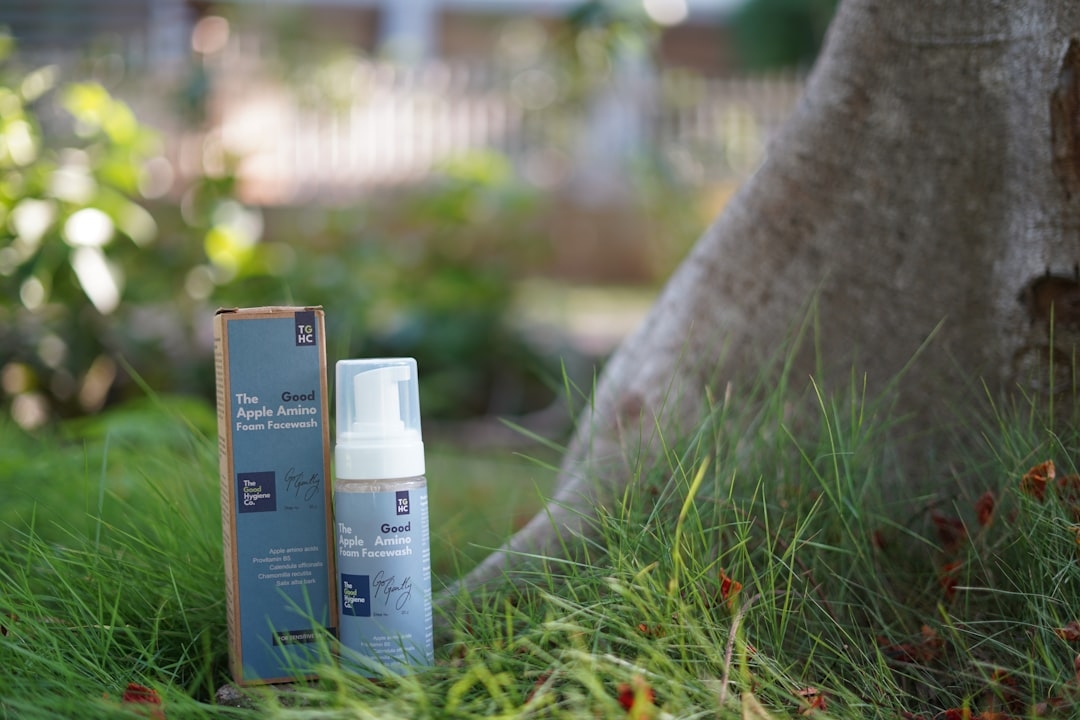
Select shampoos formulated specifically for oily scalps. These typically contain tea tree oil, charcoal, clay, or salicylic acid—ingredients that provide gentle cleansing without excessive stripping. Look for products with pH between 4.5 and 6.0 (check the label or manufacturer website). Avoid volumising shampoos, which contain heavy silicones.
Apply shampoo exclusively to the scalp and roots, working it into a lather with fingertip massage for 60-90 seconds. Allow this soapy water to rinse down the hair length, providing sufficient cleansing for mid-lengths and ends without direct shampooing. This approach requires approximately 50% less shampoo and dramatically reduces stripping.
Rinse thoroughly with lukewarm water (around 35-37°C), finishing with a brief cool-water rinse (20-25°C) to seal the hair cuticle. Cool water shrinks the cuticle layer, reducing sebum translocation along the hair shaft and making remaining sebum less visible.
Dry Shampoo and Texture-Building Techniques
Dry shampoo represents one of the most underutilised tools for managing greasiness. These products—typically powders containing absorbent ingredients like talc, rice starch, or clay—absorb excess sebum without water. Application two days after washing extends the period before the next wet shampoo becomes necessary.
Apply dry shampoo sparingly directly to the scalp and roots (not the entire hair length). Use just 2-3 sprays or a few pinches of powder, massage gently, and allow 5 minutes for maximum absorption before styling. Overuse leaves visible white residue and creates buildup.
Texturising sprays and sea salt sprays work through a different mechanism: they roughen the hair cuticle, making sebum less slippery and thus less noticeable. These products prove particularly effective on days 2-4 after washing, refreshing the appearance without shampooing.
Dietary Adjustments
Prioritise whole foods over processed options. Replace white bread and refined pasta with wholegrain alternatives. Increase intake of colourful vegetables—at least 5 portions daily—and include legumes (lentils, chickpeas, beans) 3-4 times weekly. These changes stabilise blood sugar and insulin response, reducing androgen-driven sebum production.
Incorporate sources of omega-3 fatty acids: fatty fish (salmon, mackerel, sardines) twice weekly, ground flaxseeds daily (approximately 15ml or one tablespoon), or chia seeds (approximately 15ml). These reduce scalp inflammation and support the lipid barrier.
Ensure adequate zinc intake. Red meat, shellfish, pumpkin seeds, and cashews provide bioavailable zinc. Aim for 8-11mg daily (UK guidelines). If supplementing, limit intake to recommended amounts; excess zinc interferes with copper absorption and can paradoxically worsen skin conditions.
Stress Management and Sleep Optimisation
Establish consistent sleep schedules, aiming for 7-9 hours nightly at consistent times. Go to bed within 30 minutes of the same time daily, even weekends. This consistency stabilises cortisol rhythms and supports hormonal balance, reducing sebaceous gland overactivity.
Practice stress-reduction activities for 15-20 minutes daily. Options include meditation, progressive muscle relaxation, yoga, or nature walks. These activities reduce cortisol elevation and provide measurable benefits within 3-4 weeks of consistent practice.
Manage screen time, particularly in the two hours before bed. Blue light exposure suppresses melatonin production, disrupting sleep quality even if duration remains adequate. Reducing evening screen time or using blue-light filters improves sleep depth and hormonal regulation.
Scalp Care Treatments
Weekly scalp exfoliation removes dead skin cells, product buildup, and oxidised sebum without stripping living tissue. Use dedicated scalp scrubs (with fine, rounded granules) or create a gentle exfoliant by mixing coconut oil with fine sea salt. Massage gently onto the scalp for 2-3 minutes once weekly, avoiding aggressive scrubbing.
Clay masks applied to the scalp once weekly provide deep cleansing. Kaolin and bentonite clays absorb excess sebum without disrupting the acid mantle. Mix powder clay with water or rose hydrosol to create a paste, apply to the scalp, allow 10-15 minutes for drying, then rinse thoroughly. Limit frequency to once weekly to avoid over-drying.
Scalp massage using fingertips (never nails) for 5 minutes daily improves circulation, distributes natural sebum more evenly along the hair length, and promotes scalp health. This simple habit often yields noticeable improvements within 2-3 weeks.
What to Expect During Adjustment: A Timeline
If you’re implementing these changes, expect this progression:
Weeks 1-2: Greasiness peaks as your scalp compensates for reduced washing frequency. This represents the most challenging period psychologically. Resist the urge to revert to daily washing; persist through this stage.
Weeks 3-4: Greasiness begins declining. Hair may feel alternately greasy and slightly dry as your scalp recalibrates sebum production. Texture improves; many people report hair feeling thicker.
Weeks 5-8: Sebum production stabilises at new, lower levels. Hair remains noticeably less greasy on days 2-3 post-washing. Many people find they can extend to washing once weekly by this point.
Beyond 8 weeks: Results plateau. Your scalp has adapted to new routines and hormonal patterns. Further improvements require addressing dietary, stress, or hormonal factors, not washing adjustments.
Frequently Asked Questions
Can I use conditioner if my hair is greasy?
Yes, but apply it exclusively to the mid-lengths and ends, never the scalp or roots. The oils concentrated at the scalp typically distribute sufficiently to protect the roots during the rinse cycle. Conditioning the roots prevents sebum distribution to the hair lengths, paradoxically making hair appear greasier overall.
Does dandruff cause greasy hair?
Dandruff and greasiness often coexist but represent distinct issues. Seborrheic dermatitis—the condition underlying dandruff—involves both excessive sebum production and disrupted skin barrier function. Addressing the sebum overproduction (through the strategies outlined above) typically improves dandruff simultaneously. If dandruff persists after implementing these changes, consult a dermatologist.
Will my hair eventually become less greasy without intervention?
Potentially, but only with age. Sebaceous gland activity gradually declines after age 70, though this timeline varies enormously. Someone aged 25-50 struggling with greasiness should not expect spontaneous improvement without intervention. Hormonal life stages (menopause, andropause) can actually increase greasiness before eventual decline in old age.
Can greasy hair indicate a scalp condition requiring medical treatment?
Excessive greasiness accompanied by itching, flaking, redness, or persistent dandruff may indicate seborrheic dermatitis or another dermatological condition. Greasy hair alone, without accompanying symptoms, typically reflects normal physiology or lifestyle factors, not disease. Consult a dermatologist if greasiness accompanies concerning symptoms or doesn’t improve after 8-12 weeks of lifestyle modifications.
Are expensive salon treatments more effective than home care?
Expensive treatments can help temporarily but don’t address underlying causes. Professional scalp treatments provide deep cleansing and may feel luxurious, but they won’t prevent sebum reaccumulation if you immediately revert to daily hot-water washing. Home adjustments—reduced washing frequency, dietary changes, stress management—produce longer-lasting results and cost substantially less over time.
Moving Forward With Balanced Hair
Understanding why your hair is so greasy represents the essential first step toward managing it effectively. Whether your greasiness stems from hormonal fluctuations, overactive sebaceous glands, or counterproductive care habits, the solution involves addressing root causes rather than simply masking symptoms through stronger products.
Implement changes gradually rather than attempting complete transformation overnight. Start with washing frequency reduction and lukewarm-water rinsing, since these changes alone produce noticeable results within 2-4 weeks. Once you’ve stabilised your baseline greasiness, layer in dietary adjustments or stress-reduction practices based on which factors resonate with your situation.
The path to less greasy hair requires patience through the adjustment period and persistence with evidence-based strategies. Most people discover that their hair’s natural balance point—when properly supported—requires far less intervention than their previous daily-washing routines suggested. Your scalp possesses remarkable adaptive capacity; consistent, gentle treatment allows that capacity to restore equilibrium without relying on increasingly harsh chemical interventions.