Contents:
- The Weave Myth We Need to Address
- What Is a Hair Weave, Exactly?
- Types of Hair Weaves Available in 2026
- Sew-In Weaves (The Traditional Method)
- Glue-In Weaves
- Clip-In Weaves
- Tape-In Weaves
- Hair Quality: What Matters Most
- Virgin Hair
- Remy Hair
- Non-Remy Hair
- Synthetic Hair
- The Installation Process Step by Step
- Cost Breakdown: What You’ll Actually Spend
- Sustainable and Eco-Friendly Weave Choices
- Caring for Your Weave: Practical Tips
- Daily Maintenance
- Moisturising and Conditioning
- Protecting at Night
- Heat Styling Guidelines
- Scalp Care
- Common Questions About Hair Weaves
- Can weaves damage my natural hair?
- How long does it take to install a full head weave?
- What’s the difference between a weave and braids with extensions?
- Can I work out or swim with a weave?
- How do I know if my weave is installed too tight?
- Moving Forward With Your Weave Journey
The Weave Myth We Need to Address
Many people believe that hair weaves are a modern invention created solely for aesthetic purposes. In reality, weaving hair extensions has roots stretching back centuries, particularly in African cultures where protective styling was both an art form and a practical necessity. Today’s weaves are far more sophisticated than they once were, but the principle remains the same: adding hair to your natural strands to protect them whilst achieving a desired look.
Whether you’re curious about trying a weave for the first time or simply want to understand the process, this guide breaks down everything you need to know about what a weave hair actually is and how it works.
What Is a Hair Weave, Exactly?
A hair weave is an extension method where additional hair—either human or synthetic—is applied to your natural hair. The new hair is anchored using braids, glue, clips, or tape, creating a foundation that allows you to style, colour, and care for the extensions as if they were your own hair.
The key difference between weaves and other extensions is the foundation system. Weaves require your natural hair to be braided in cornrows or similar patterns, and the extension hair is then sewn directly onto these braids using thread and a needle. This method distributes the weight across your scalp, which is why many consider it safer for long-term wear compared to other extension types.
Typical weaves last between 6-12 weeks, depending on your hair growth rate and how well you maintain them. Some people wear them continuously for months, whilst others treat them as temporary styles for special occasions.
Types of Hair Weaves Available in 2026
Sew-In Weaves (The Traditional Method)
Sew-in weaves remain the most popular and versatile option. Your stylist braids your natural hair into cornrows, then meticulously sews the weft (the track of hair) onto each braid using a needle and thread. This method works for all hair types and textures.
Sew-in weaves typically cost £200-£450 for installation, with quality human hair ranging from £80-£200 per bundle. The method offers excellent durability and allows for protective styling whilst your natural hair grows underneath.
Glue-In Weaves
Also called fusion weaves, these use adhesive to bond hair directly to your scalp or natural strands. Installation is faster than sew-ins—usually 1.5-2 hours—and costs range from £150-£350. However, removal can be damaging if not done carefully, and the glue can irritate sensitive scalps.
Clip-In Weaves
The most flexible option, clip-in weaves attach using small combs or clips built into the weft. You can apply and remove them yourself in minutes, making them ideal for temporary looks. A decent clip-in set costs £60-£180, and you can reuse it indefinitely if cared for properly.
Tape-In Weaves
These use medical-grade tape to bond lightweight wefts to small sections of your hair. Installation takes about 45 minutes to an hour, and costs typically range from £180-£300. Tape-ins are gentler on hair and can be repositioned multiple times.
Hair Quality: What Matters Most
Not all weave hair is created equal. Your choice of hair dramatically affects the final result, longevity, and overall cost of your weave.
Virgin Hair
Virgin human hair has never been chemically processed and is the highest quality option. It holds colour exceptionally well, lasts longer, and feels more natural. Expect to pay £120-£250 per bundle (which typically covers 100 grams).
Remy Hair
Remy hair is human hair where the cuticles all run in the same direction, preventing tangling. It’s less expensive than virgin hair (£80-£150 per bundle) but still excellent quality. Most salons use Remy hair for sew-in weaves.
Non-Remy Hair
The most affordable option at £40-£80 per bundle, non-Remy hair comes from mixed donors and has no directional cuticles. It tangles more easily and won’t hold heat styling as well, but works perfectly for short-term wear.
Synthetic Hair
Modern synthetic hair looks remarkably realistic and costs just £15-£40 per bundle. The trade-off? You cannot heat style it, and it typically lasts only 4-6 weeks before shedding increases.
The Installation Process Step by Step
Understanding what happens during installation helps you prepare mentally and financially.
Consultation: Your stylist assesses your hair texture, density, and scalp condition. They’ll recommend which type of weave suits you best and estimate the number of bundles needed.
Cleansing: Your hair is washed thoroughly to remove any product buildup. A clean scalp ensures better braid placement and reduces itching later.
Braiding: For sew-in weaves, cornrows are created in neat, parallel lines using your natural hair. This step takes 45 minutes to 1.5 hours depending on braid density.
Sewing or Bonding: The extension hair is attached using your chosen method—sewing is most common, but glue and tape are alternatives. This is the longest part, taking 1-2 hours for full-head coverage.
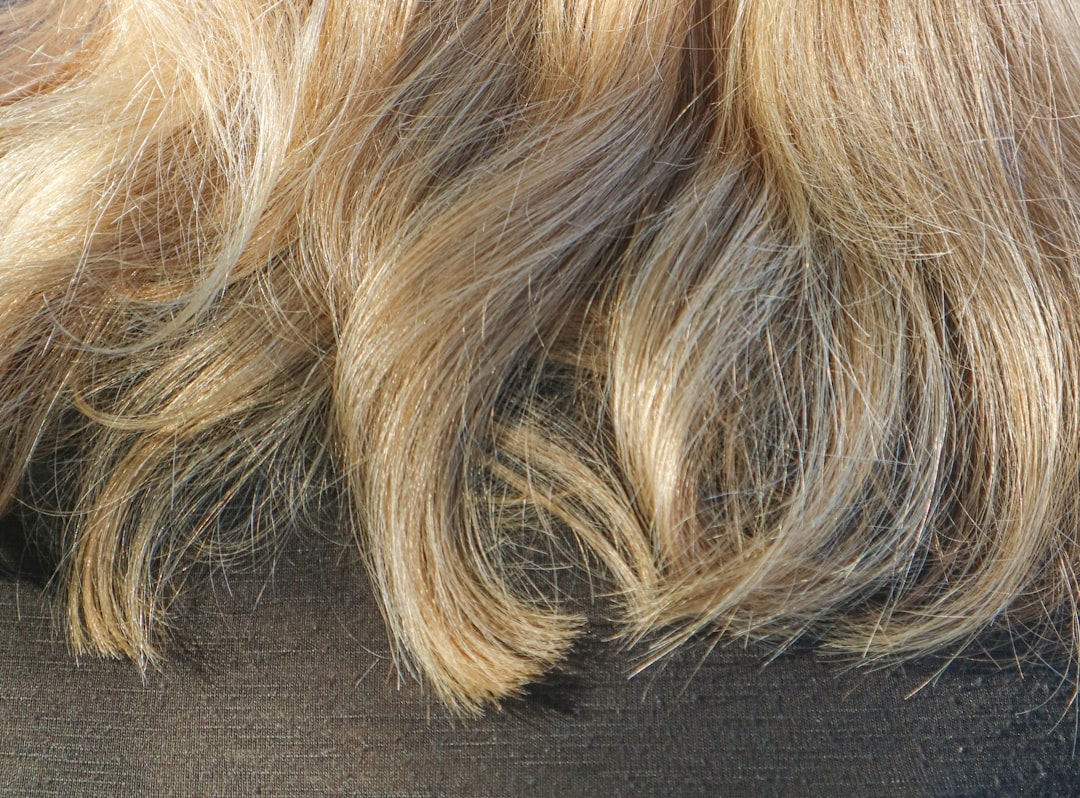
Styling and Blending: Once attached, the weave is cut, layered, and styled to blend seamlessly with your natural hairline. Your stylist may straighten, curl, or wave the extensions to match your desired look.
Cost Breakdown: What You’ll Actually Spend
Weave costs vary widely, but here’s a realistic breakdown for a full sew-in weave in the UK during 2026:
- Installation labour: £200-£350
- Hair bundles (3-4 needed for full coverage): £240-£800
- Maintenance appointments: £50-£100 every 4-6 weeks
- Removal: £30-£80
Total investment for a 12-week weave: £520-£1,330. This sounds steep, but spread over three months, it’s roughly £43-£111 per week.
Sustainable and Eco-Friendly Weave Choices
The hair extension industry has environmental and ethical concerns worth considering. Human hair is harvested globally, often in developing countries where donor compensation and practices are sometimes questionable.
For a more ethical approach, look for salons and suppliers that source hair from fair-trade organisations. Brands like Monat and Cantu are increasingly transparent about their sourcing. Additionally, choosing higher-quality hair that lasts longer reduces waste over time—a £300 virgin hair weave worn for four months beats replacing a £100 synthetic weave every six weeks.
Consider also supporting salons that offer removal and restyling services, allowing you to reuse existing weaves rather than discarding them after one wear.
Caring for Your Weave: Practical Tips
Daily Maintenance
Treat your weave like natural hair. Wash it every 7-10 days with a gentle, sulphate-free shampoo. Avoid products with silicones that build up on synthetic hair. When washing, be gentle around the braids and avoid scrubbing the base where your natural hair meets the weft.
Moisturising and Conditioning
Human hair weaves dry out easily since they don’t receive natural oils from your scalp. Use a leave-in conditioner every other day and a deep conditioning treatment weekly. Synthetic hair needs different care—use products specifically formulated for synthetics.
Protecting at Night
Friction causes breakage and matting. Sleep on a silk or satin pillowcase, or wrap your weave in a silk scarf. This single habit extends the life of your weave considerably.
Heat Styling Guidelines
Only human hair weaves can be heat-styled. Use a heat protectant spray before straightening or curling, and avoid temperatures above 350°F (175°C) for virgin hair, 320°F (160°C) for Remy hair. Keep a spray bottle of water nearby to cool sections between passes.
Scalp Care
Your natural hair underneath still needs attention. Every 7-10 days, apply a light oil or scalp serum directly to your braids and scalp. Itching is common, but scratching under the weave causes damage—use a spray bottle to apply liquid directly to irritated areas instead.
Common Questions About Hair Weaves
Can weaves damage my natural hair?
Not if installed and maintained correctly. In fact, sew-in weaves are protective styles because your natural hair is completely covered and doesn’t face daily manipulation. The damage typically comes from tight braiding, poor removal, or ignoring scalp health for weeks.
How long does it take to install a full head weave?
Sew-in weaves take 2.5-4 hours. Glue-ins are faster at 1.5-2 hours. Clip-ins can be applied in 10-15 minutes if you’re doing it yourself. Never rush installation—it’s one place where speed and quality rarely coexist.
What’s the difference between a weave and braids with extensions?
Braids are the protective style itself, often created with extensions woven into them. A weave is extension hair sewn or glued onto braids. You can have box braids without extensions, but a sew-in weave always requires braids underneath.
Can I work out or swim with a weave?
Yes, though you’ll need precautions. Chlorine and saltwater can discolour hair and cause drying. Wear a swim cap or braid the weave up when swimming. After workouts, rinse out sweat immediately and allow the weave to air dry rather than rewetting unnecessarily.
How do I know if my weave is installed too tight?
Your scalp shouldn’t throb or ache after installation. Minor tension is normal, but pain signals the braids are too tight, which will lead to traction alopecia over time. Tell your stylist immediately if you’re uncomfortable. A good stylist will adjust braids to a gentler tension without compromising hold.
Moving Forward With Your Weave Journey
Understanding what a hair weave is goes beyond the mechanics of installation. It’s about recognising a legitimate protective styling method with roots in cultural tradition, appreciating the craftsmanship involved, and making informed decisions about cost, hair quality, and maintenance. Whether you’re seeking length, volume, a colour change, or simply a break from daily styling, a well-executed weave can deliver results whilst protecting your natural hair—if you choose quality materials and partner with a skilled stylist. Your next step is booking a consultation with a reputable salon in your area, asking about their sourcing practices, and discussing realistic expectations for your hair type and lifestyle.