Contents:
- Understanding Why Hair Looks Thin or Fine
- Styling Techniques to Make Hair Look Fuller
- Layered Haircuts for Volume
- Volumizing Blow-Dry Technique
- Teasing and Backcombing
- Volumizing Hair Products and Their Application
- Root Lift Sprays and Volumizing Mousses
- Volumizing Shampoos and Conditioners
- Texturizing Sprays and Dry Shampoo
- Colour and Highlights for Fuller-Looking Hair
- Adding Dimension with Highlights
- Strategic Darker Tones
- Scalp Treatments and Hair Growth Support
- Minoxidil (Rogaine)
- Hair Growth Serums and Scalp Masks
- Seasonal Timeline for Fuller-Looking Hair
- Budget Breakdown for Fuller-Looking Hair Strategy
- Hair Types and Customizing Fullness Strategies
- Fine Hair (Naturally Thin Strands)
- Thin/Thinning Hair (Lower Density)
- Curly or Textured Hair
- Frequently Asked Questions
- Can I make thin hair look fuller without using heat tools?
- How long does the fuller appearance last when using these techniques?
- Will volumizing products damage fine hair further?
- How much fuller does hair actually look with these techniques?
- Which makes the biggest difference: cut, colour, or styling?
You can’t actually add density to hair you’ve lost, but you can make hair appear dramatically thicker in minutes. The techniques used by stylists—volumizing sprays, strategic layering, blow-dry methods, and colour strategies—create the optical illusion of fuller, denser hair. Whether your hair is naturally fine or thinning due to age or stress, learning how to make hair look fuller transforms how you present yourself daily.
Understanding Why Hair Looks Thin or Fine
Hair appears thin for several reasons. Genetic fine hair has smaller diameter strands—no product will change this. Age-related thinning reduces the number of active hair follicles producing strands. Damage from heat styling, chemical treatments, or environmental stress makes individual hairs weaker and more prone to breakage. Scalp visibility increases when hair density drops below 60 hairs per square centimetre (the average is 100-150).
The good news: all of these situations respond to visual thickness techniques. Even with genetic fine hair or real thinning, strategic styling, appropriate products, and clever colour create the appearance of fuller hair. The results are immediate and don’t require waiting weeks for treatments to work.
Styling Techniques to Make Hair Look Fuller
Layered Haircuts for Volume
A well-designed layered cut is foundational for creating the appearance of fullness. Layers remove weight from the hair, allowing strands to move independently and creating the illusion of more volume. Blunt cuts with no layers compress hair and emphasize thinness.
Ask your stylist for disconnected layers—sections cut at different lengths so shorter layers aren’t hidden beneath longer hair. A good layered cut costs £35-65 at most UK salons in 2026, though premium salons charge £70-100. The investment pays dividends in appearance for 6-8 weeks until regrowth requires restyling.
The placement matters. Layers at the crown create height and fullness where it’s most visible. Layers at the sides should start at or below the cheekbone, not higher. This prevents the sides from looking wispy or thin.
Volumizing Blow-Dry Technique
How you blow-dry makes more difference than the products you use. The volumizing blow-dry technique adds approximately 20-30% perceived volume:
- Flip your head upside down and blow-dry your roots first while hair is dripping wet. Hold the dryer 15cm away from your scalp, not closer.
- Dry approximately 70% of your hair while inverted to create root lift. This initial step is crucial—it sets the foundation for all volume.
- Flip upright and dry the remaining 30% in sections, using a round brush to curl hair slightly under at the ends.
- Finish with cool air on high speed for 30 seconds to set the volume and smooth the cuticle.
This technique takes 8-10 minutes rather than the standard 5 minutes, but the volume boost is substantial. You’ll notice the difference immediately.
Teasing and Backcombing
Professional stylists use backcombing at the roots to create volume and texture that holds styling products. This technique involves combing hair backwards gently using a fine-toothed comb to create small knots that lift hair away from the scalp.
Backcombing requires practice but creates dramatic volume. The technique works best on second-day or third-day hair (not freshly washed) because product residue helps texture hold. After backcombing, smooth the outer layer gently with a paddle brush so the underneath remains teased while the outside looks smooth.
Volumizing Hair Products and Their Application
Root Lift Sprays and Volumizing Mousses
Root lift sprays applied to damp hair before blow-drying add grip and texture. The spray dries quickly and provides a tacky surface that helps hair stand away from the scalp. Budget options like Batiste Styling Root Boost (£4-5) work reasonably well. Premium choices include Kérastase Volumifique Mousse (£18) or Bumble and bumble Thickening Full Form Mousse (£28).
Apply these products sparingly. One or two spritzes at the roots is sufficient. Over-application creates a crunchy texture and weighs hair down, defeating the purpose. Apply to damp hair (not soaking wet) for best results, then blow-dry immediately to set.
Volumizing Shampoos and Conditioners
Volumizing shampoos contain lighter polymers and proteins that coat the hair shaft, making strands appear slightly thicker. They’re not as effective as styling techniques, but they support the overall strategy. Use volumizing shampoo 3-4 times weekly (not daily) because daily use can dry out hair.
Always use volumizing conditioner on ends to prevent the drying effects of volumizing shampoo from making hair appear limp elsewhere. A volumizing duo costs £8-16 for mid-range brands like Tresemmé or £22-35 for premium options like Kérastase. The difference is negligible for volumizing effect; both work adequately.
Texturizing Sprays and Dry Shampoo
Texturizing sprays and sea salt sprays add grit and texture to smooth hair, making it appear thicker and fuller. The texture prevents hair from lying flat against the scalp. These products work best on second-day hair or after blow-drying, not on freshly washed hair.
Popular options include Batiste Dry Shampoo (£3-4 per can), Lee Stafford Root Boost Spray (£4-5), or premium Oribe Dry Texturizing Spray (£24). The budget options perform nearly identically to expensive versions for texture alone. Apply sparingly and rub into roots rather than spraying everywhere.
Colour and Highlights for Fuller-Looking Hair
Colour significantly affects how full hair appears. Single-tone colour on thin hair actually emphasizes scalp visibility because uniform colour draws attention to gaps. Strategic highlights or lowlights create the illusion of density through visual contrast.
Adding Dimension with Highlights
Honey or caramel highlights placed strategically around the face create movement and the illusion of thicker hair. The colour variation breaks up the scalp visibility, making hair appear denser. Balayage (hand-painted highlights) costs £60-120 at UK salons. This investment lasts 8-12 weeks before requiring touch-ups.
Avoid solid, uniform highlights that sit 2cm away from the root. Instead, ask for subtle dimension starting close to the scalp and blending through the lengths. This creates the appearance of thicker, fuller hair better than traditional block highlights.
Strategic Darker Tones
Darker hair often appears fuller than lighter shades because darker colours create stronger contrast between hair strands and any visible scalp. If you have fine or thinning blonde hair, considering a darker blonde or light brown shade might provide the visual fullness you’re seeking. A single-process colour costs £30-70; semi-permanent alternatives cost £10-20 and last 4-6 weeks.
Scalp Treatments and Hair Growth Support
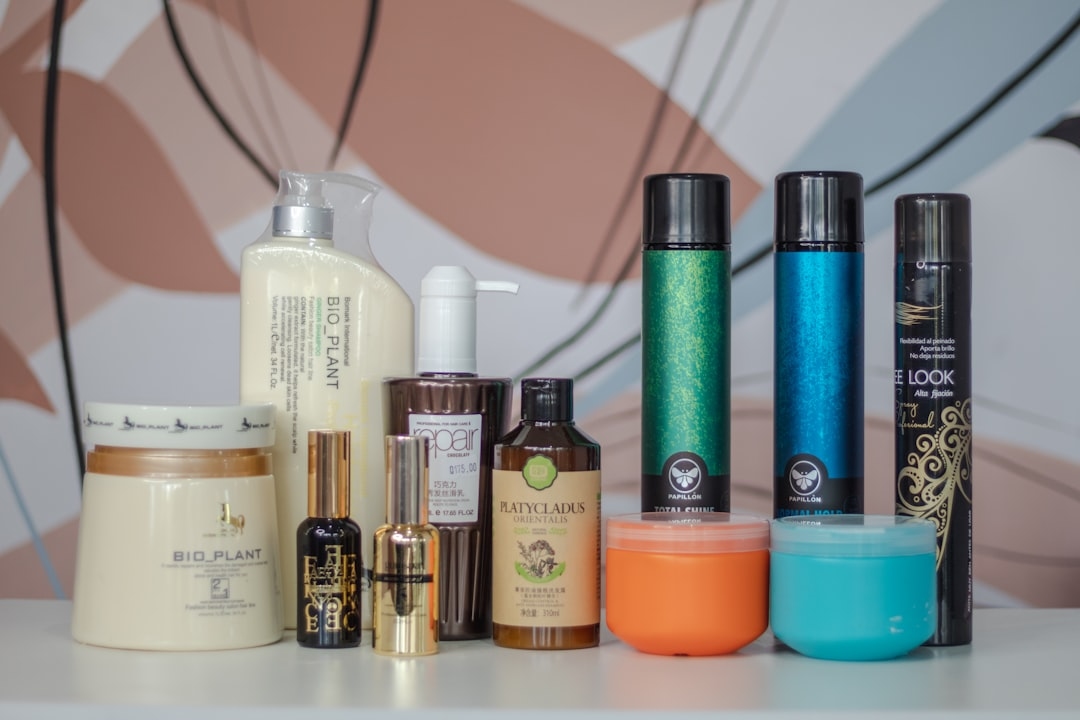
While scalp treatments won’t immediately make hair look fuller, they support healthier growth and can improve density over 3-4 months of consistent use.
Minoxidil (Rogaine)
Minoxidil is the only topical treatment with clinical evidence supporting hair regrowth. It extends the growth phase of hair and increases blood flow to follicles. Results appear after 3-4 months of twice-daily application. A 3-month supply costs £20-35 at UK pharmacies.
Minoxidil works better for some people than others. If you’re experiencing pattern baldness or diffuse thinning, it’s worth trying. Consistency is essential—skipping applications reverses benefits.
Hair Growth Serums and Scalp Masks
Hair growth serums containing caffeine, peptides, or botanical extracts claim to support growth. These are less evidence-based than minoxidil, but some people report modest improvements in thickness after 2-3 months. Products like Grow Gorgeous Intense Thickening Serum (£25) or GRØWLab Hair Growth Serum (£35) cost more than minoxidil but support an overall healthy scalp routine.
Seasonal Timeline for Fuller-Looking Hair
Hair density and appearance change throughout the year based on seasonal factors and styling flexibility:
- Spring (March-May): Perfect time for a fresh layered cut (£35-65). Lighter clothing makes hair styling easier. Highlight appointments increase visibility of depth and dimension. Invest in volumizing products as your maintenance routine.
- Summer (June-August): Humidity affects how full hair appears—dry conditions make fine hair appear thinner, while some humidity adds texture. Switch to anti-frizz volumizing products if needed. Holiday styling often becomes important; master your blow-dry technique now.
- Autumn (September-November): Longer styles become wearable as temperatures drop. Consider a slightly longer cut with layers (longer hair provides more weight for visible fullness). Start any hair growth treatments before winter for visible results by spring.
- Winter (December-February): Heating indoors creates dryness. Switch to more intensive volumizing conditioners. Static is common; use anti-static serums or conditioners. This is ideal for hair treatments and growth support products to take effect by spring.
Budget Breakdown for Fuller-Looking Hair Strategy
Implement these strategies across different budget levels:
Budget approach (£15-20 monthly): Volumizing shampoo (£4), dry shampoo (£4), texturizing spray (£3), styling practice. Haircut every 8 weeks (amortised to £4). Minimal investment but significant results from technique improvement alone.
Mid-range approach (£35-45 monthly): Add a root lift mousse (£10), professional blow-dry service once monthly (£20), volumizing conditioner (£8). Better results than budget approach with less daily effort.
Comprehensive approach (£70-100 monthly): Professional volumizing products (£25), monthly salon blow-dry service (£20), quarterly highlights or colour (amortised £15-20), hair growth serum (£25). Combines immediate styling results with longer-term density improvement.
Hair Types and Customizing Fullness Strategies
Fine Hair (Naturally Thin Strands)
Fine hair requires lightweight products exclusively. Avoid heavy silicones, oils, or thick conditioners that compress fine strands. Use volumizing shampoo and lightweight mousse. Layered cuts are essential—they remove weight and allow fine hair to move. Avoid long, blunt styles that emphasise thinness.
Thin/Thinning Hair (Lower Density)
Thinning hair needs scalp protection strategies alongside styling techniques. Avoid tight hairstyles that stress remaining hair. Use minoxidil or growth serums to support regrowth. Highlights or colour variation create the appearance of greater density. Avoid heavy styling products that highlight the thinness.
Curly or Textured Hair
Textured hair has natural volume if properly defined. Curly hair products with hold and definition create fullness without additional techniques. Avoid over-conditioning curly hair as it relaxes curl and makes hair appear flatter. Volumizing products designed for curls (like Cantu Shea Butter Wave Whip Curling Mousse, £6) enhance natural texture without frizz.
Frequently Asked Questions
Can I make thin hair look fuller without using heat tools?
Yes. Use texturizing spray on air-dried or naturally dried hair. Layered cuts create movement without blow-drying. Volumizing shampoo and lightweight mousse add visual thickness. However, blow-drying inverted creates the most dramatic fullness effect. If avoiding heat, focus on style, colour, and texture products.
How long does the fuller appearance last when using these techniques?
Styling volume lasts until your next wash (1-3 days depending on your hair). Products like root boost or texturizing spray last 6-12 hours if applied correctly. Cuts last 6-8 weeks before regrowth affects volume. Colour lasts 8-12 weeks. These are maintenance strategies requiring regular reapplication.
Will volumizing products damage fine hair further?
Lightweight volumizing products designed for fine hair don’t damage it. Heavy products—silicone serums, thick oils, or heavyweight conditioners—make fine hair limp and damage-prone. Stick to products explicitly labeled “fine hair” or “volumizing” and your hair will improve, not worsen.
How much fuller does hair actually look with these techniques?
A good layered cut combined with proper blow-drying technique creates a 20-30% increase in perceived volume. Adding highlights or colour variation increases this to 30-40%. Combining all strategies (cut, styling, products, and colour) creates the appearance of 40-50% fuller hair.
Which makes the biggest difference: cut, colour, or styling?
For immediate daily results, styling technique and blow-drying create the largest visible difference. For baseline appearance between wash days, a good layered cut is most important. For comprehensive fullness that works across all conditions, combining all three—cut, colour, and styling—is most effective.