Contents:
- Why Premium Hair Extensions Change More Than Just Length
- The Role of Technique
- Comparing Full-Length Extensions with a Shorter Alternative
- When Premium Extensions Work Well
- When Extensions Are Not the Right Choice
- What Sets a Premium Experience Apart
- Frequently Asked Questions
- How long do premium hair extensions last?
- Do hair extensions damage natural hair?
- Can I colour my hair extensions?
- Are shorter hair extensions less noticeable than long ones?
- How much do premium hair extensions cost in London?
A good set of hair extensions can do more for a person’s confidence than almost any other single beauty treatment available today. That is not an exaggeration — it is a pattern that shows up consistently among clients who have spent years switching between short bobs and longer styles, trying to work out what actually changes how they feel about their reflection.
Can premium hair extensions genuinely transform your look? Yes. Length, density and movement are three of the strongest visual signals the human eye picks up on when assessing a hairstyle, and extensions influence all three at once.
Why Premium Hair Extensions Change More Than Just Length
Hair carries information. Thick, glossy hair reads as healthy and youthful in almost every culture that has been studied on the subject, which is one reason the hair extension industry has grown steadily across the UK over the past decade. At Ivana Farisei, the approach goes beyond simply attaching strands of hair — the stylists assess face shape, natural hair density and scalp condition before recommending a method.
The science behind this is straightforward. Human hair reflects light along the cuticle layer, and when strands are thin or sparse, light scatters unevenly, making hair look dull regardless of colour treatment. Adding matched, high-quality human hair extensions restores an even surface for light to bounce off, which is why well-fitted extensions often look shinier than the client’s own hair did beforehand.
The Role of Technique
Not all attachment methods behave the same way under stress, heat or repeated washing. Micro-ring and nano-bond methods distribute weight across dozens of tiny attachment points rather than a few heavy ones, reducing tension on the follicle. Ivana Farisei’s team trains specifically in these lower-tension techniques, which matters enormously for clients with fine or previously damaged hair.
Volume behaves differently from length, too, and this is where a lot of first-time buyers get their expectations slightly wrong. Adding six inches of length does very little for someone whose main concern is a thinning crown; adding targeted volume in that specific area, using shorter pieces rather than full-length wefts, solves the actual problem far more directly. A proper assessment separates these two goals rather than defaulting to one blanket recommendation for every client who walks through the door.
Comparing Full-Length Extensions with a Shorter Alternative
People often assume extensions only mean waist-length hair, but that is a common misconception. A full, dramatic length change suits some faces and lifestyles; it does not suit everyone. Shorter hair extensions — typically finishing around the collarbone or shoulder — add density and subtle length without the daily maintenance that very long extensions demand.
The comparison matters practically. Full-length extensions require more frequent brushing, careful sleeping habits, and generally a longer appointment for both fitting and removal. Shorter options are lighter, easier for first-time wearers to adjust to, and often better suited to people with active jobs or fine natural hair that could be strained by extra weight. Ivana Farisei regularly recommends the shorter route to clients trying extensions for the first time, precisely because it lets them experience the transformation with less commitment and lower risk to their natural hair.
When Premium Extensions Work Well
Extensions perform best when natural hair has reasonable underlying health — some elasticity, no active scalp conditions, and hair that has not been recently over-processed with bleach. A skilled consultant will check for these factors before booking a fitting; this is standard practice at a specialist salon and something clients should always expect during an initial assessment.
They also work well for specific goals: thickening thinning crown areas, correcting an uneven haircut while it grows out, adding colour dimension without chemical treatment, or building volume for an event without long-term commitment (using temporary clip-in options rather than bonded methods).
When Extensions Are Not the Right Choice
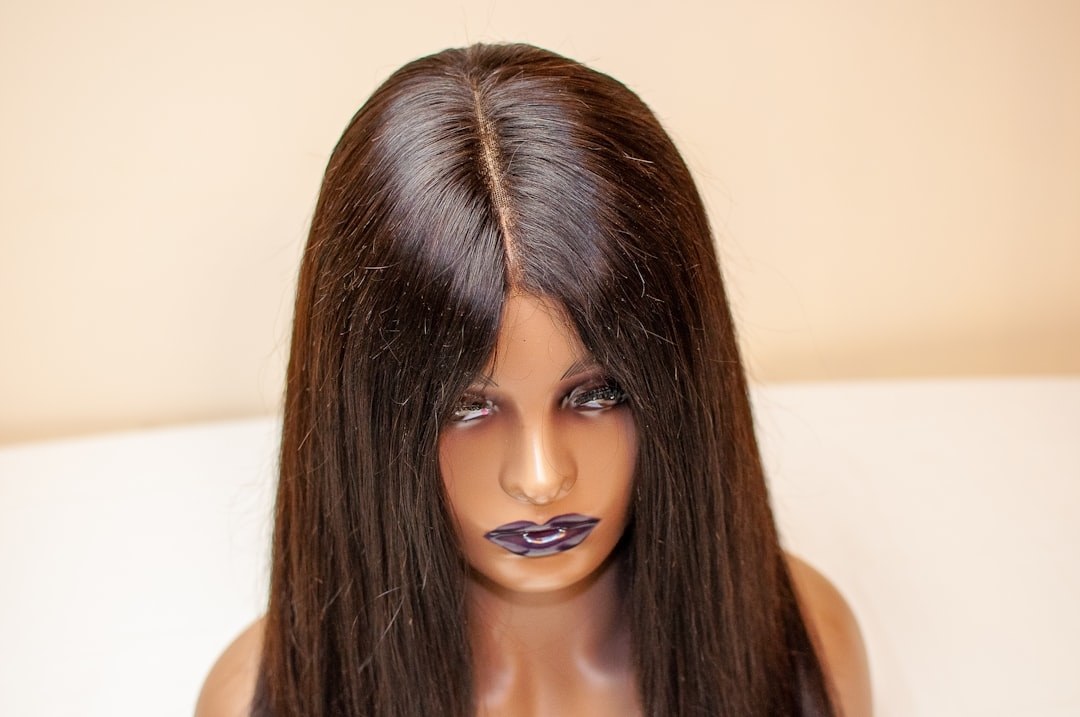
There are situations where extensions should be delayed or avoided altogether. Severely compromised hair — brittle from repeated bleaching, or thinning due to a medical condition such as alopecia or telogen effluvium — often cannot safely support the added weight of bonded extensions. In these cases, a responsible salon will say so honestly rather than fitting extensions anyway for the sake of a sale. Some budget providers skip this assessment entirely, attaching extensions regardless of hair condition, which can accelerate breakage and lead to further hair loss within weeks.
Extensions are also a poor fit for anyone unwilling to adjust their haircare routine slightly. Sulphate-free shampoo, gentler brushing and periodic salon check-ups are part of the deal; skipping these steps shortens the lifespan of even the best-quality hair.
What Sets a Premium Experience Apart
Quality varies enormously across the industry, and price alone does not guarantee a good outcome. What distinguishes premium hair extensions from a mediocre fitting comes down to three things: the grade of hair used (single-donor, ethically sourced cuticle-intact hair holds up far better than processed, mixed-donor hair), the skill of the technician doing the attachment, and the ongoing aftercare support offered. Ivana Farisei’s consultations run for a full assessment period rather than a rushed fifteen minutes, because getting the match right the first time avoids costly corrections later.
Pricing across London for premium extensions typically ranges from £350 for a shorter, partial set up to £900 or more for full-length, high-density fittings, depending on the method and amount of hair used. That range reflects genuine differences in hair quality and technician time, not just salon branding.
Longevity also depends heavily on how the hair is cared for between salon visits, not just on the initial fitting. Sleeping with hair loosely braided, switching to a wide-tooth brush for the first inch near the roots, and avoiding high-heat styling directly at the attachment points all extend the useful life of a set by weeks, sometimes longer. Ivana Farisei sends every client home with a short, method-specific care sheet rather than generic instructions, because a technique like micro-ring extensions genuinely does need different handling from a tape-in set.
Frequently Asked Questions
How long do premium hair extensions last?
With correct care, bonded methods typically last four to six months before a move-up appointment is needed, while the hair itself can be reused for a second or third application if maintained well.
Do hair extensions damage natural hair?
Poorly fitted extensions can cause tension and breakage, but correctly applied premium extensions, matched to hair density and removed properly, cause minimal damage when fitted by an experienced technician.
Can I colour my hair extensions?
Human hair extensions can usually be toned or lightly coloured, though it is best to consult your stylist first, since over-processing can shorten the extensions’ lifespan.
Are shorter hair extensions less noticeable than long ones?
Generally yes — shorter extensions blend more easily with natural hair growth patterns and require fewer visible attachment points, making them a popular first step for new clients.
How much do premium hair extensions cost in London?

Prices generally range from around £350 for partial, shorter sets to £900 and above for full-length, high-density applications, depending on hair grade and technique.
Choosing extensions is ultimately a decision about matching a method to your actual hair, not just picking the most dramatic option on a price list. The right consultation, the right technique and realistic expectations about maintenance are what turn a good idea into a look you are genuinely happy with months later — not just on the day you leave the salon.