Contents:
- What Is Black Seed Oil and Why Is It Discussed for Hair Growth?
- Does Black Seed Oil Grow Hair? What Research Shows
- The Active Compounds at Work
- Black Seed Oil vs. Coconut Oil: A Crucial Distinction
- How to Use Black Seed Oil for Hair Growth
- Scalp Treatment Method
- Dosage and Duration
- Quality and Sourcing Considerations
- Expert Perspective on Black Seed Oil for Hair
- Potential Side Effects and Contraindications
- Combining Black Seed Oil with Other Hair Loss Treatments
- Frequently Asked Questions
- How long does it take to see results from black seed oil?
- Can I ingest black seed oil for hair growth instead of applying it topically?
- Will black seed oil help with female hair loss or pattern baldness?
- Is black seed oil better than minoxidil for growing hair?
- Can I leave black seed oil on my hair permanently?
You’re browsing the health aisle of your local Boots, and you spot a small bottle of black seed oil with promises of thicker, fuller hair. The bottle sits next to dozens of other supplements and treatments, all claiming to be the answer to hair loss. Before you add it to your basket, you’ll want to understand what the actual science says about black seed oil and hair growth.
What Is Black Seed Oil and Why Is It Discussed for Hair Growth?
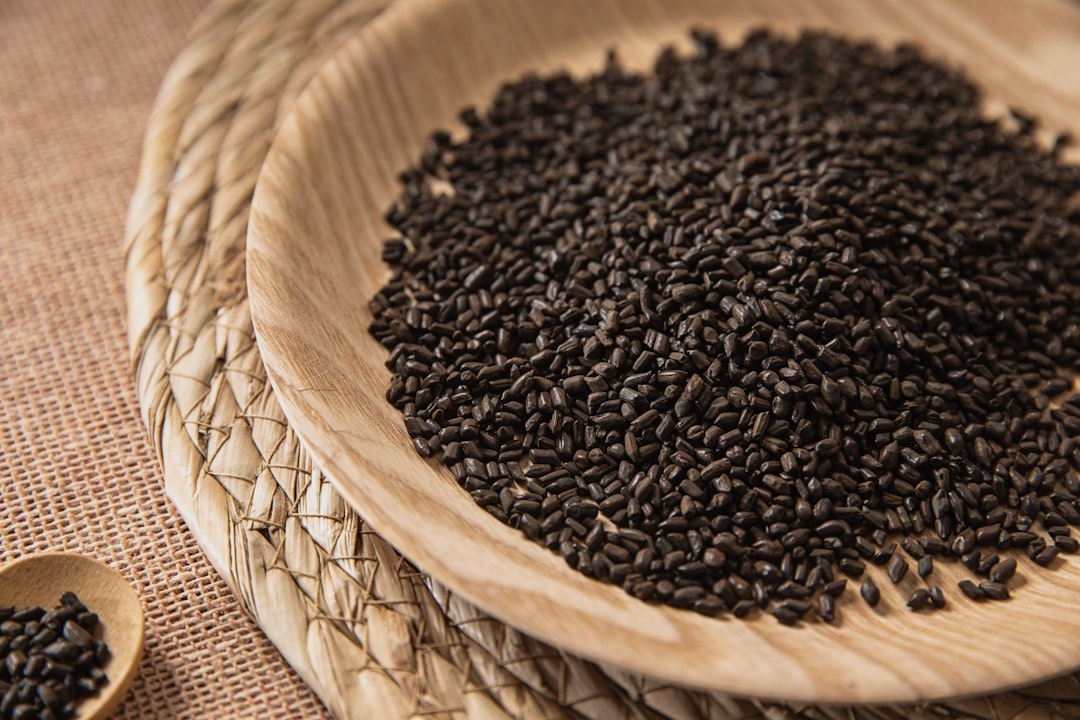
Black seed oil comes from the seeds of Nigella sativa, a plant native to South Asia and commonly found in Middle Eastern and Indian cuisine. The oil has been used in traditional medicine for thousands of years, primarily for digestive and immune support. In recent years, attention has shifted to its potential effects on hair.
Black seed oil contains over 100 active compounds, including thymoquinone, thymohydroquinone, and dithymoquinone. These compounds possess antioxidant and anti-inflammatory properties. When applied to the scalp, theoretically these compounds could reduce inflammation, improve blood circulation, and support healthier hair follicles. However, theory and proven results are two different things.
Does Black Seed Oil Grow Hair? What Research Shows
The scientific evidence on black seed oil for hair growth exists, but it’s limited. A 2014 study published in the Journal of Dermatology and Dermatologic Surgery examined black seed oil’s effects on androgenetic alopecia (male pattern baldness). Researchers studied 40 male participants with hair loss, dividing them into two groups: one received black seed oil treatment, the other received a placebo. After six months, the black seed oil group showed a 39% increase in hair count compared to 0.1% in the placebo group.
That’s a significant result. However, the study was small (only 40 participants), and results haven’t been consistently replicated in larger trials. A 2021 review in Phytotherapy Research concluded that whilst black seed oil shows potential, more rigorous research with larger sample sizes is needed before making definitive claims about its effectiveness for hair growth.
What we can say with reasonable confidence: black seed oil does not work as quickly or dramatically as prescription treatments like minoxidil (Rogaine) or finasteride (Propecia). If you’re experiencing significant hair loss, these pharmaceuticals have far stronger evidence backing their use. Black seed oil is better positioned as a complementary treatment or preventative measure rather than a primary solution.
The Active Compounds at Work
Thymoquinone, the most abundant active compound in black seed oil, has demonstrated anti-inflammatory effects in laboratory settings. Inflammation is a contributing factor in many types of hair loss, particularly in conditions like alopecia areata and androgenetic alopecia. By potentially reducing scalp inflammation, black seed oil might create a more favourable environment for hair growth—but this still requires the right conditions and consistent application.
Black Seed Oil vs. Coconut Oil: A Crucial Distinction
Many people confuse black seed oil with coconut oil because both are promoted for hair health, but they’re entirely different substances with different properties and results. This distinction matters when you’re deciding which oil to use.
Coconut oil is high in lauric acid and penetrates the hair shaft easily. It’s excellent for reducing protein loss from hair, particularly beneficial for people with curly or textured hair. However, coconut oil doesn’t have the same active medicinal compounds as black seed oil. You use coconut oil primarily as a moisturiser and protective barrier.
Black seed oil contains active medicinal compounds (thymoquinone and others) that theoretically work on scalp health and inflammation. The research suggests these compounds may promote hair growth, whereas coconut oil’s benefits are more about protection and moisture retention.
For best results, some people use both: coconut oil for hair shaft moisturising and protection, black seed oil for scalp-focused treatment. They’re complementary rather than competitive.
How to Use Black Seed Oil for Hair Growth
If you decide to try black seed oil, application method and consistency matter significantly.
Scalp Treatment Method
Apply black seed oil directly to your scalp, focusing on areas with thinning or hair loss. Use 5-10ml of oil, which you can warm slightly (but not hot) to improve absorption. Massage the oil into your scalp for 3-5 minutes to increase blood flow. Leave it on for at least 30 minutes, ideally overnight, before shampooing.
Consistency is critical. The small study showing 39% improvement used application three times weekly for six months. That’s a significant time commitment. Sporadic use—applying once a month or whenever you remember—won’t produce results.
Dosage and Duration
Most research suggests 3-4 applications weekly for at least 3-6 months before expecting visible improvements. Hair growth cycles take time. Your hair’s growth phase lasts 2-7 years, so waiting 3-4 months to see thicker hair isn’t unreasonable. However, if you don’t notice any improvements after 6 months of consistent use, it likely isn’t working for your particular situation.
Quality and Sourcing Considerations
Not all black seed oil is created equal. Cold-pressed, organic black seed oil from reputable suppliers will contain higher concentrations of active compounds than heavily processed versions. In the UK, expect to pay £8-15 for a quality 100ml bottle. Cheaper oils under £5 are often diluted or of questionable origin.
Look for suppliers that provide third-party testing or GC-MS analysis showing thymoquinone content. Reputable brands will include this information on their website or provide it upon request. A high-quality black seed oil should contain 0.5-2.5% thymoquinone by weight.
Expert Perspective on Black Seed Oil for Hair
Dr. Helen Marchant, a trichologist based in London with 18 years of experience treating hair loss conditions, offers this perspective: “Black seed oil has modest potential for certain clients, particularly those with scalp inflammation or mild shedding. It’s not a replacement for minoxidil or finasteride, but for people seeking a natural option or wanting to support other treatments, it’s worth trying for three months. What I’ve seen clinically is that it works best for people who are consistent with application and have realistic expectations.”
Potential Side Effects and Contraindications
Black seed oil is generally safe topically, but some precautions apply:
- Allergic reactions are rare but possible. Patch test on a small scalp area 24 hours before full application.
- The oil is pungent and may stain clothing or bedding, so use old towels or protective covers when leaving it on overnight.
- Avoid if you’re pregnant or nursing without consulting your GP first, as systemic absorption is possible.
- Don’t apply to broken skin, open wounds, or severely inflamed scalps.
- If you’re taking blood thinners or have bleeding disorders, consult your GP before using black seed oil regularly.
Combining Black Seed Oil with Other Hair Loss Treatments
Black seed oil can complement other treatments. Pairing it with minoxidil may offer synergistic benefits, though you should allow 4-6 hours between applications to avoid interactions. Some research suggests that anti-inflammatory treatments like black seed oil may improve outcomes when combined with pharmaceutical treatments, but this remains theoretical rather than proven.
Never replace prescribed treatments with black seed oil alone unless explicitly advised by your doctor. If you’re currently using hair loss medications, inform your GP before starting supplementary treatments.
Frequently Asked Questions
How long does it take to see results from black seed oil?
Most people notice improvements in scalp health (reduced itching, less shedding) within 4-6 weeks. Visible hair growth changes typically require 3-4 months of consistent 3-4 weekly applications, as the hair growth cycle takes time.
Can I ingest black seed oil for hair growth instead of applying it topically?
Some evidence suggests oral black seed oil supplementation may support hair health systemically. Standard dosage is 1-2 teaspoons daily. However, topical application is more directly targeted to the scalp. Combining both methods may be beneficial, but consult your GP before starting oral supplementation.
Will black seed oil help with female hair loss or pattern baldness?
Most research on black seed oil focuses on male pattern baldness. Limited evidence exists for female hair loss, though the anti-inflammatory properties theoretically could benefit women experiencing telogen effluvium (stress-related shedding) or scalp conditions.
Is black seed oil better than minoxidil for growing hair?
No. Minoxidil has decades of robust research proving its effectiveness, while black seed oil evidence is modest. However, black seed oil has fewer systemic side effects and costs less, making it a reasonable option for those seeking a natural alternative or complementary treatment.
Can I leave black seed oil on my hair permanently?
Black seed oil can build up on the hair shaft if left on continuously without proper removal. Shampoo it out at least every 24 hours. Using it as a scalp treatment 3-4 times weekly with thorough cleansing afterward is the recommended approach.