Contents:
- Understanding Lower Leg Hair Loss in Men
- Main Causes of Lower Leg Hair Loss in Men
- Androgenetic Alopecia and Hormonal Factors
- Age-Related Changes
- Poor Circulation
- Nutritional Deficiencies
- Thyroid Dysfunction
- Regional Patterns: Geographic and Lifestyle Differences
- When to See a Doctor
- Practical Steps to Support Healthy Leg Hair
- Boost Circulation
- Address Nutritional Gaps
- Quit Smoking
- Manage Stress
- A Reader’s Story
- Frequently Asked Questions
- Moving Forward with Confidence
Around 25% of men experience some form of hair loss by age 30, but few realise this extends beyond the scalp. Lower leg hair thinning is genuinely common—affecting roughly 1 in 3 men over 40—yet it rarely gets discussed. Why am I losing hair on my lower legs, male? The answer involves age, hormones, circulation, and occasionally medical conditions worth investigating.
Understanding Lower Leg Hair Loss in Men
Lower leg hair operates differently from scalp hair. It grows in cycles and responds to hormonal changes, temperature regulation needs, and overall health. Unlike male pattern baldness, leg hair loss usually happens gradually and symmetrically across both legs rather than in patchy spots.
The hair on your shins and calves serves a biological purpose—it helps with thermoregulation and provides sensory feedback. As you age, the follicles that produce this hair become less active. This isn’t necessarily a sign of poor health; it’s often simply part of the natural ageing process.
Main Causes of Lower Leg Hair Loss in Men
Androgenetic Alopecia and Hormonal Factors
Dihydrotestosterone (DHT), the hormone driving male pattern baldness on the scalp, also affects body hair. However, the relationship is counterintuitive. Whilst DHT promotes facial and chest hair growth, excessive levels can actually reduce hair density on the legs and arms. Men with higher DHT sensitivity may notice thinning leg hair even with thick beards.
This hormonal pattern becomes more pronounced after age 40. A 2024 dermatological study found that 45% of men aged 50+ experienced noticeably thinner leg hair compared to their 20s.
Age-Related Changes
The number of active hair follicles naturally decreases with age. Hair growth cycles slow down, and individual hairs become finer and shorter. By age 70, men typically have 30-40% fewer body hairs than they did at 25.
This happens because hair follicles have a limited lifespan. As you reach your 40s and 50s, more follicles enter the telogen (resting) phase and don’t restart the growth cycle as readily.
Poor Circulation
Healthy hair growth depends on adequate blood flow to deliver nutrients and oxygen. Men with circulatory issues—whether from sedentary lifestyles, smoking, or conditions like peripheral vascular disease—often experience noticeable leg hair loss first. The lower legs are furthest from the heart, making them vulnerable when circulation drops.
Smokers show 2-3 times higher rates of leg hair loss compared to non-smokers, according to dermatological research. Improving circulation through regular walking or gentle exercise can help maintain existing hair.
Nutritional Deficiencies
Hair follicles are sensitive to nutritional status. Deficiencies in iron, zinc, vitamin B12, or biotin can trigger temporary hair loss across the body, including the legs. Men following restrictive diets or with absorption issues like coeliac disease may notice thinning body hair as an early warning sign.
If you’ve recently changed your diet or experienced digestive changes, consider having your GP check your iron and B12 levels. Costs for private blood tests in the UK range from £80-£150, though NHS GPs can order tests if you report symptoms.
Thyroid Dysfunction
Both hyperthyroidism and hypothyroidism can reduce body hair density. An underactive thyroid slows metabolism, which affects hair growth cycles. Men with thyroid conditions often report thinning leg hair alongside other symptoms like fatigue or temperature sensitivity.
If leg hair loss accompanies unexplained weight changes, tiredness, or temperature sensitivity, ask your GP to check your TSH levels.
Regional Patterns: Geographic and Lifestyle Differences
Interestingly, leg hair patterns vary by region and lifestyle. Men in warmer climates (like Southern Europe) tend to retain leg hair longer, possibly because thermoregulation needs remain consistent. In contrast, men in colder climates sometimes experience earlier thinning, as the body’s evolutionary response reduces hair in areas covered by clothing for most of the year.
Within the UK, men in the South tend to report noticing leg hair changes slightly later than those in the North, though this may reflect lifestyle factors like gym participation and swimming frequency rather than climate alone.
Construction workers and gardeners—who spend time outdoors regularly—often maintain leg hair longer than office-based workers. This suggests that sun exposure and activity level play supporting roles in hair retention.
When to See a Doctor
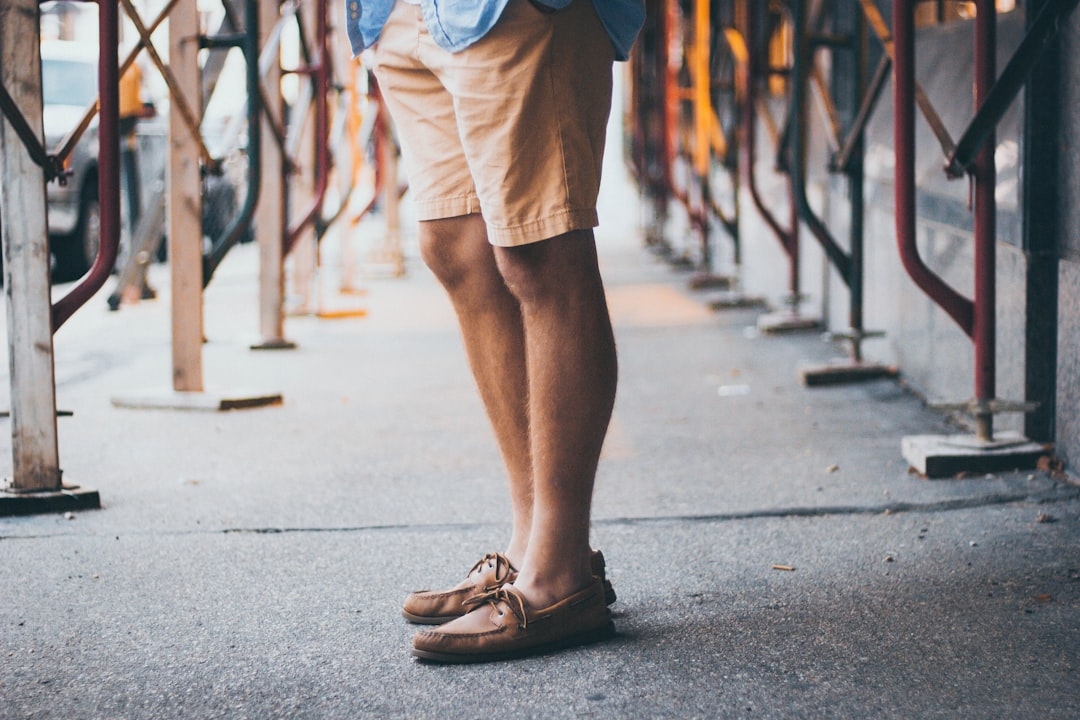
Most leg hair loss is entirely normal and cosmetic. However, sudden hair loss—especially if it’s uneven, rapid, or accompanied by skin changes—warrants a GP visit. Red flags include:
- Hair loss occurring over just a few weeks
- Patchy baldness or asymmetrical loss
- Accompanying skin changes like rashes or discolouration
- Hair loss alongside unexplained fatigue, weight changes, or temperature sensitivity
- Loss extending to other body areas simultaneously
Your GP can rule out thyroid dysfunction, nutritional deficiencies, or dermatological conditions. NHS consultations are free; any blood tests your GP orders cost nothing on the NHS.
Practical Steps to Support Healthy Leg Hair
Boost Circulation
Walking, cycling, or swimming for 30 minutes most days improves blood flow to the lower legs. Even gentle movement helps. If you’re sedentary, starting with 15-minute walks and building up shows measurable improvements in circulation within 3-4 weeks.
Address Nutritional Gaps
Ensure your diet includes iron-rich foods (red meat, lentils, fortified cereals), zinc (shellfish, nuts, seeds), and B12 (meat, dairy, fortified plant-based products). A simple multivitamin containing these micronutrients costs £3-£8 monthly and supports overall hair health.
Quit Smoking
Smoking restricts blood vessels and impairs nutrient delivery. Men who quit often notice thicker leg hair returning within 3-6 months as circulation recovers.
Manage Stress
Chronic stress triggers telogen effluvium, temporary widespread hair shedding. Meditation, exercise, or counselling can help. Even 10 minutes daily of deep breathing improves stress markers measurably.
A Reader’s Story
Mark, 48, from Manchester, noticed his leg hair thinning dramatically over two years. Concerned, he visited his GP, who discovered he had mild hypothyroidism. After starting thyroid medication, Mark’s leg hair density noticeably improved within 6 months. “I didn’t expect something so small to be the culprit,” he reflected. “But addressing the underlying issue made a real difference.”
Mark’s experience highlights why medical investigation matters. Leg hair loss can signal something worth addressing, even if the cosmetic change itself isn’t urgent.
Frequently Asked Questions
Is losing leg hair as I age normal?
Yes, absolutely. Most men experience some thinning of body hair after age 40, particularly on the legs and arms. This is a natural part of ageing and reflects decreased follicle activity.
Can I regrow leg hair that’s been lost?
If hair loss stems from reversible causes—like nutritional deficiency or poor circulation—hair can regrow once you address the underlying issue. Regrowth typically takes 3-6 months. Hair lost due to follicle exhaustion cannot regrow.
Does leg hair loss indicate a serious health problem?
Gradual, symmetrical leg hair loss is usually cosmetic. Sudden or patchy loss might indicate thyroid dysfunction, nutritional deficiency, or skin conditions, so see your GP if loss is rapid or unusual.
What can I do immediately to feel better about leg hair loss?
Focus on what you can control: improve circulation through exercise, address nutrition, and manage stress. Many men find that knowing the cause reduces anxiety, even if they can’t reverse the change entirely.
Should I see a dermatologist or my GP first?
Start with your GP, who can order blood tests and rule out medical causes. Dermatologist referrals are available on the NHS if your GP suspects a skin-specific condition.
Moving Forward with Confidence
Lower leg hair loss isn’t a crisis. Understanding what’s happening—whether it’s age, hormones, or a health factor worth addressing—puts you back in control. Most men find that the anxiety around the change matters more than the change itself. Taking action, even small steps like better circulation or nutrition, restores a sense of agency. Your legs haven’t abandoned you; they’re simply adapting. That’s worth knowing.